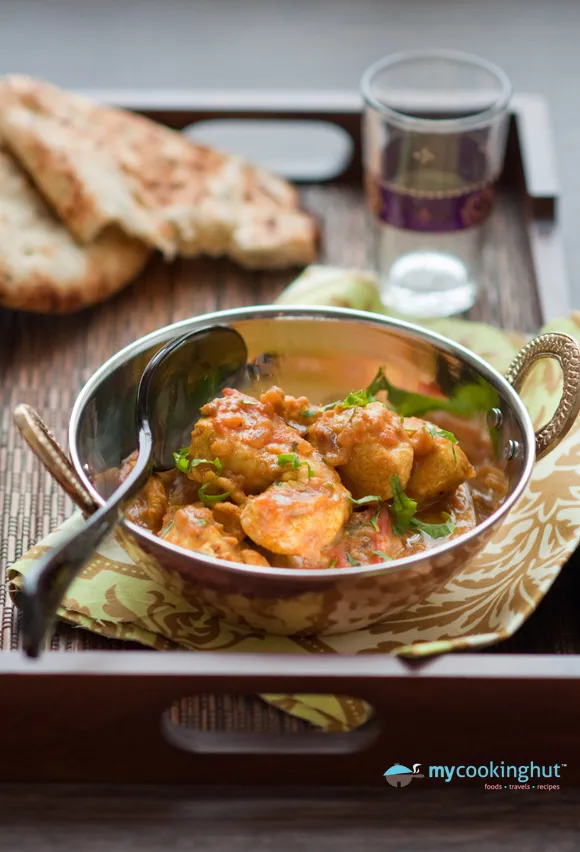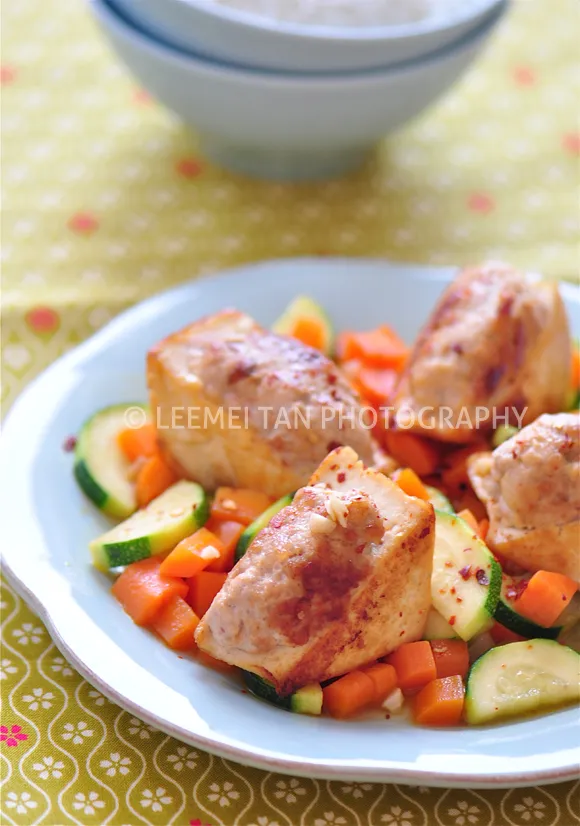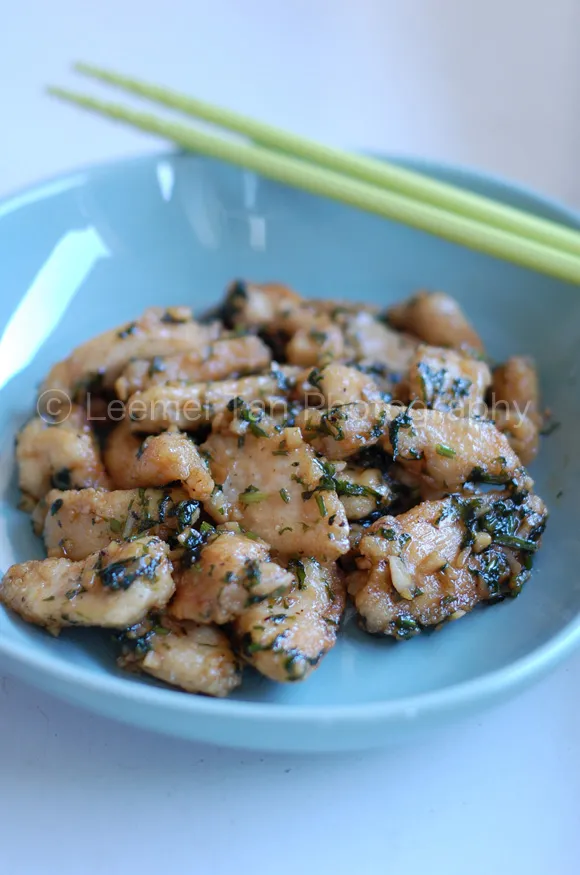

Ayam Masak Habang (Chicken Cooked In Red Chilli Sauce)

img_0015


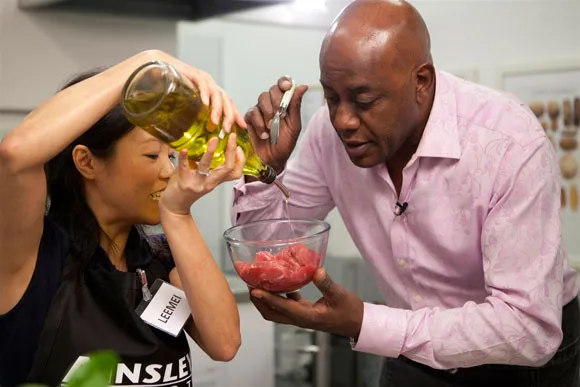
I stumbled upon her blog not too long ago. Her talent in cooking and food photography catches my attention. The more I read, the more hungry I became. Sefa, the owner of Food is Love  has done a very good job on her blog.


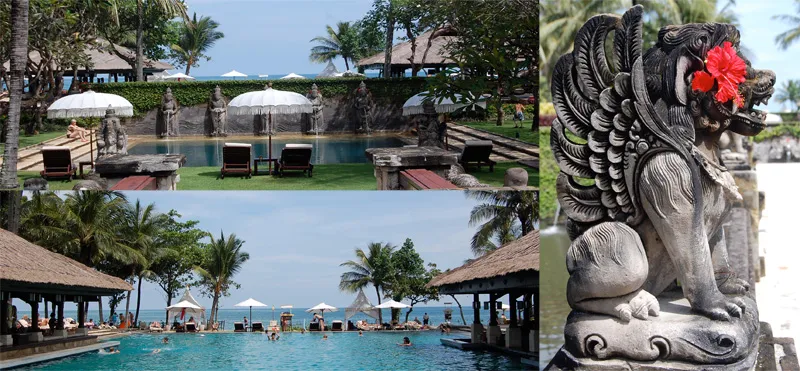
The recipes that she shares Her are authentic Indonesian cooking. I have not tried a lot of Indonesian food. Only when I visited Bali. Through Food is Love, I am getting to learn so many new things that I never knew in Indonesian cooking! Let’s welcome Sefa today, sharing with us one of her great recipes!


When Leemei asked me to be a guest writer in her blog, My Cooking Hut, I was flattered as I am still a rookie in food blogosphere while she is quite famous among the foodie bloggers worldwide. Definitely I said yes.


Actually I supposed to make this post last January; unfortunately I was sick for two weeks then had to prepare for my final exam. Fortunately, Leemei is a very tolerant and understanding person; she lets me take my time to complete the article. Thanks Leemei!


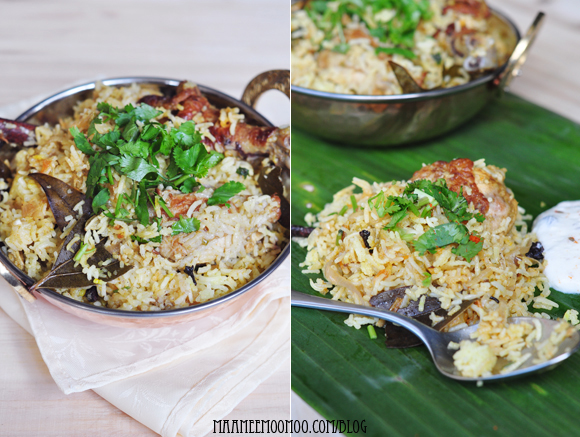
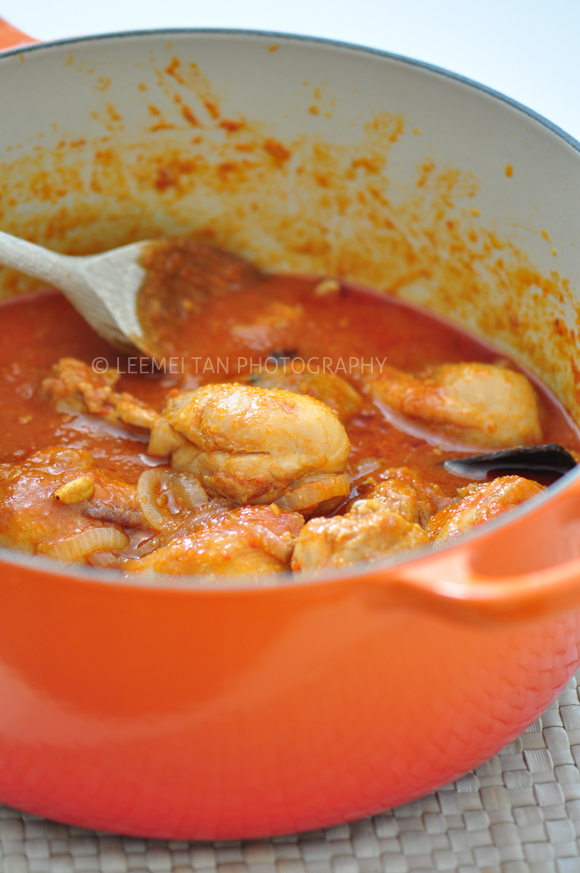
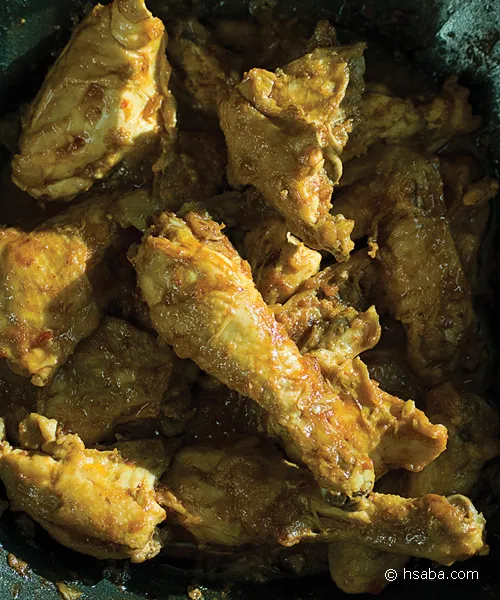
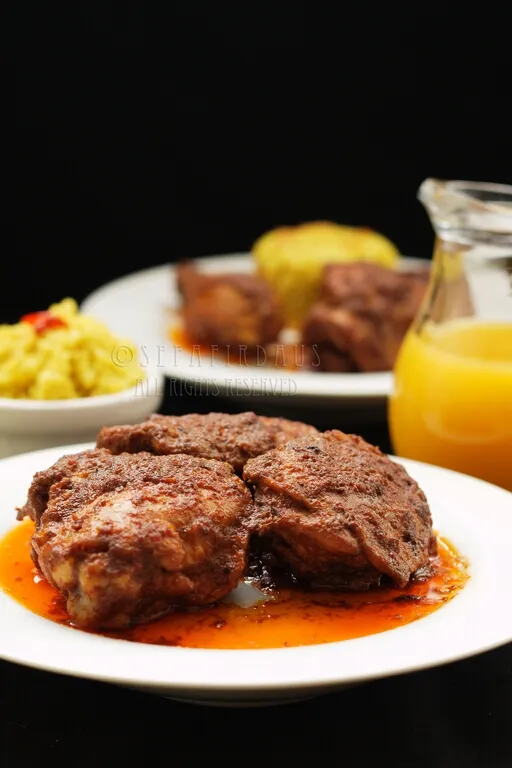
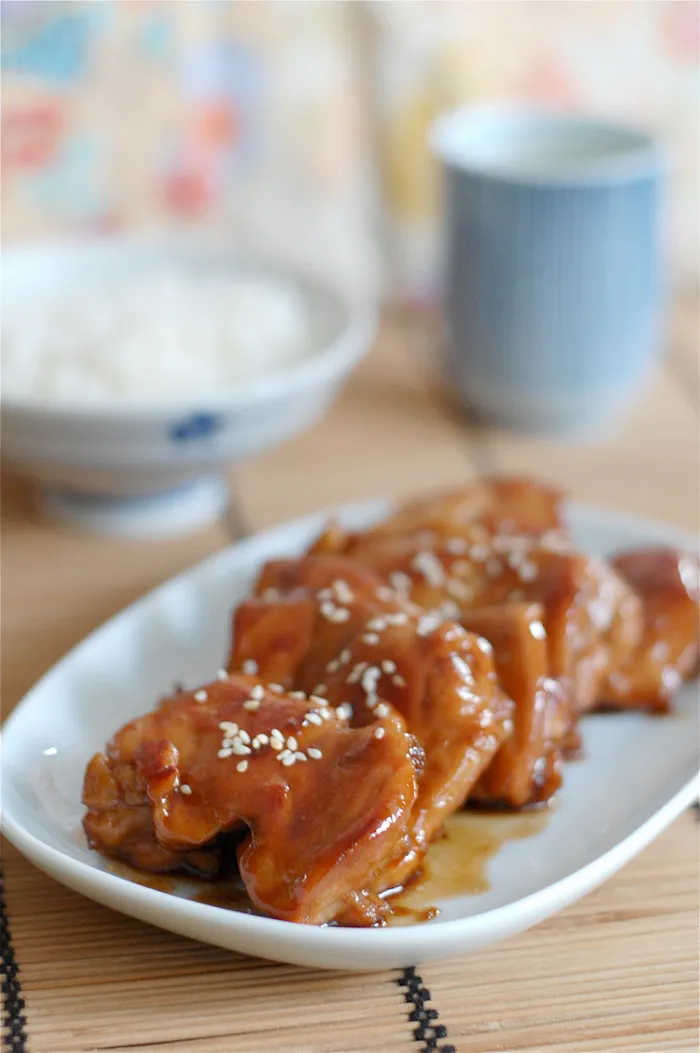
Ayam Masak Habang or translated as chicken cooked in red chilli sauce is originally from Banjar, South Kalimantan, Indonesia. It is a very special dish in Banjar that can be served everyday or when one have visitors or when there are special occasions such as wedding, eid ul fitr, ritual meeting, etc. Though during the special occasion it’s served with nasi kuning (yellow rice) but eating ayam masak habang with nasi kuning is also normal for breakfast. For an everyday eating, ayam masak habang is normally served with steamed rice which rice is long grain one with a broken white colour. When they eat ayam masak habang with this kind of rice, they’ll have vegetables soup consist of carrot and potato as the side dish.
 

I am so lucky to have a Banjarese friend living in US. When I asked her about the recipe, she gave me the authentic one that she got from her mother. She told me that the correct way in cooking ayam masak habang is without burning the chicken and only left oil and the spices.


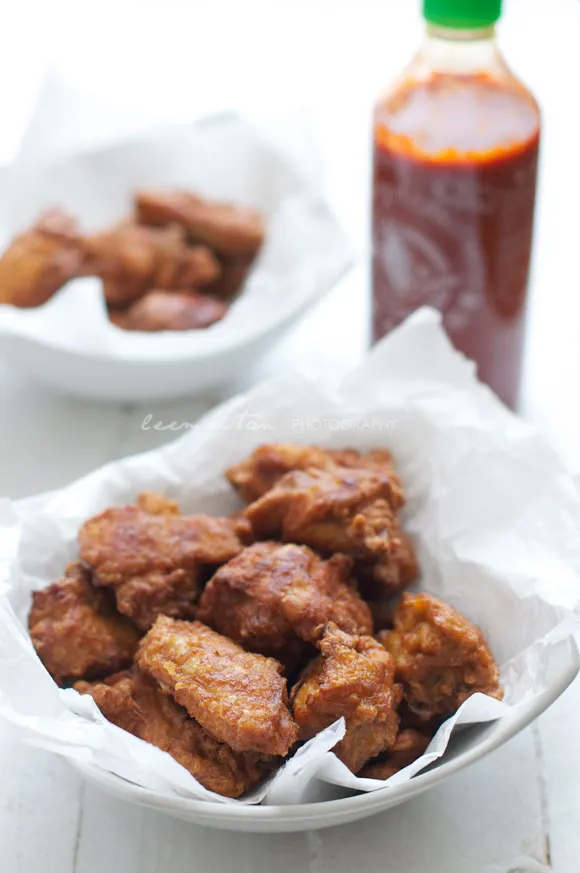
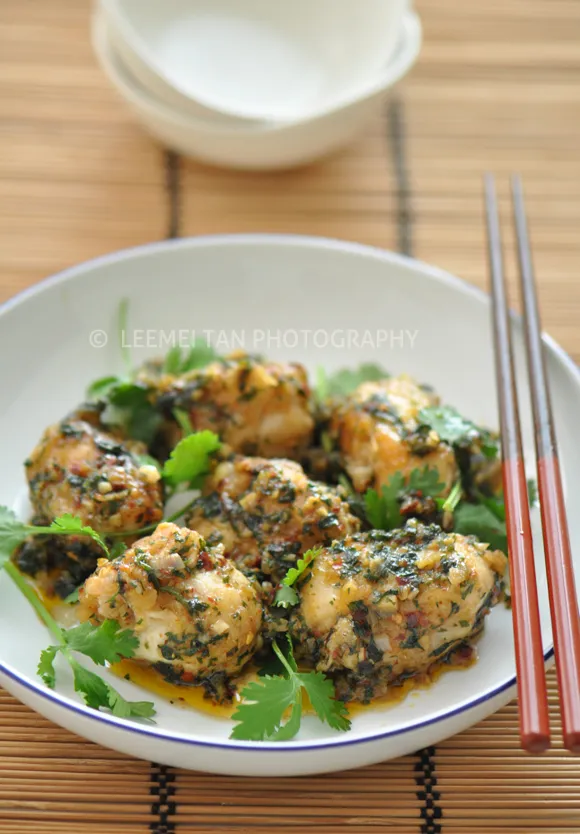
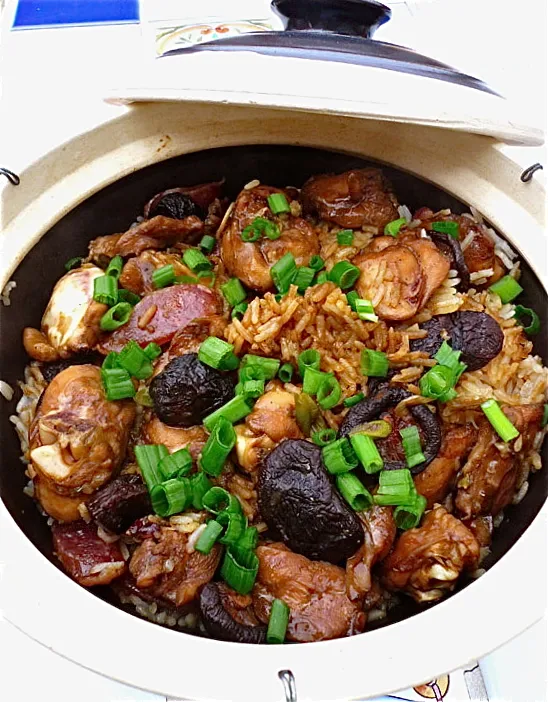
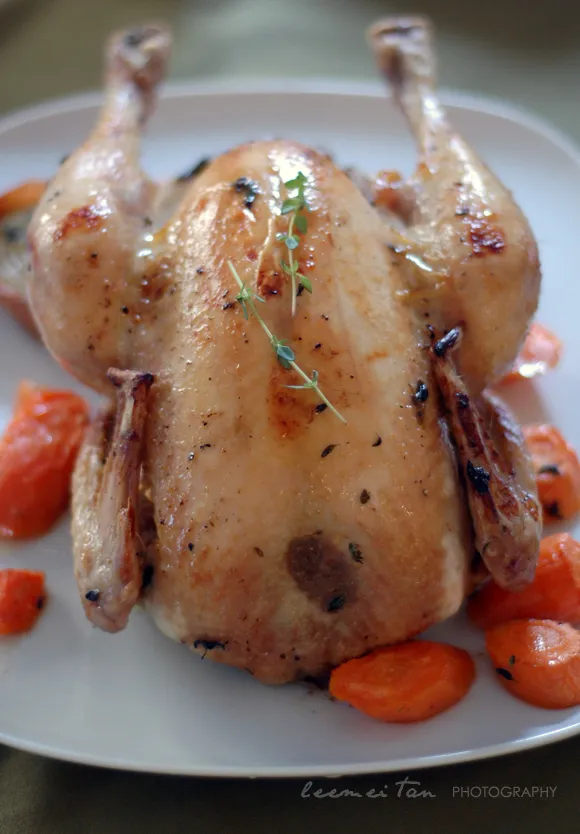
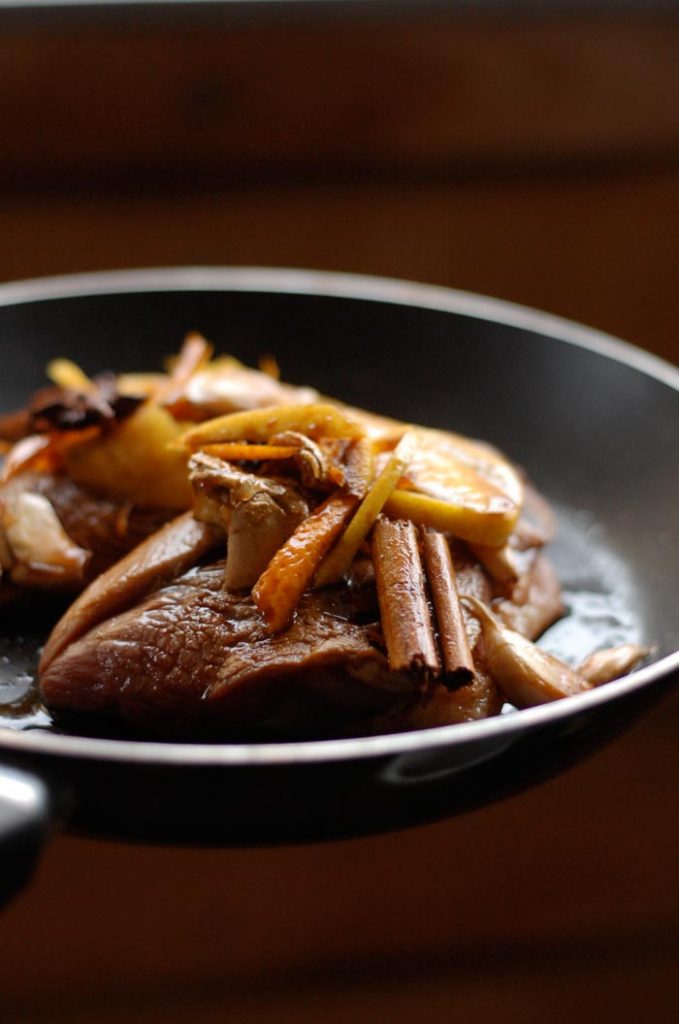
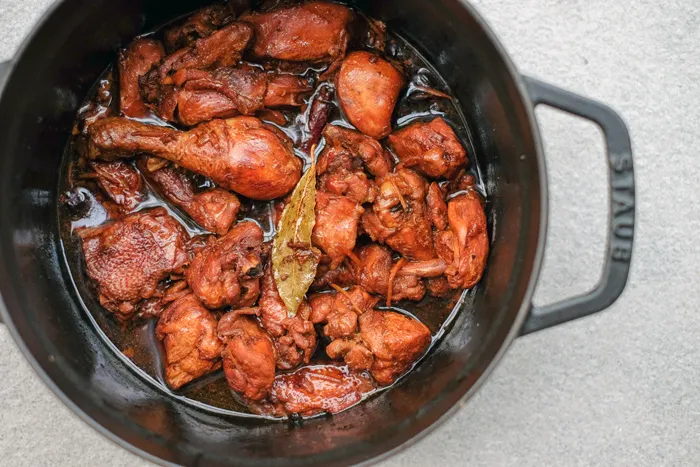
If you see from the photo of ayam masak habang that I cooked, the colour is not red. It supposed to be red but mine is brown instead. It happened because I used Thailand’s dried red chilli. This kind of chilli is turning brown when you cook and mix with other spices.


When I reported this issue to my friend, she told me that it always happens when using Thailand’s dried red chilli. She suggested to buy California’s chilli or New Mexico chilli’s since they are almost similar with the one used in Banjar. Unfortunately I haven’t found that type of chilli. But never mind the colour as it tasted heaven!
 

The authentic ayam masak habang used ayam kampong (chicken that living freely outside the cage) but it’s hard to find ayam kampong in Germany unless you have your own farm or buying from the farmer directly. But don’t worry, my friend’s mother gave a tip when not using ayam kampong that is to cook chicken without oil over small head until all water from the chicken evaporated. This method can get rid of the rancid from the chicken meat. I followed the tip and it worked. The chicken tasted much better without that rank smell.


Nasi kuning that is served for ayam masak habang is different from the normal nasi kuning found in Java, Indonesia. It has more spices inside but both cooked in coconut milk.


Now, let me share you the recipes of Ayam Masak Habang and Nasi Kuning.


img_0007 


Recipe: Ayam Masak Habang


Ingredients:

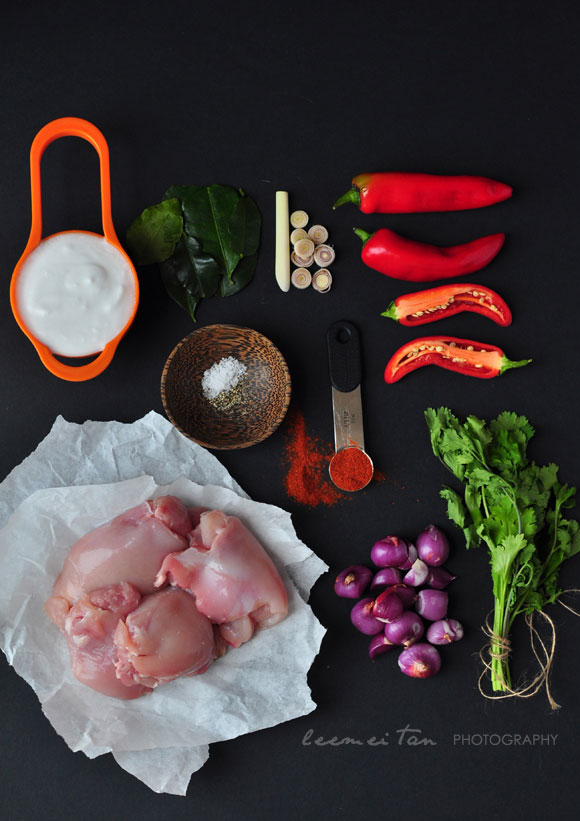
1 kg chicken thighs, skin out, cut into 2 pieces (or whole chicken)

Lemon juice

 2 salam leaves (salam is an Indonesian bay leave)

2 cm cinnamon stick

2 cloves

1 cup of boiling water

½ cup cooking oil


Spices, purée:

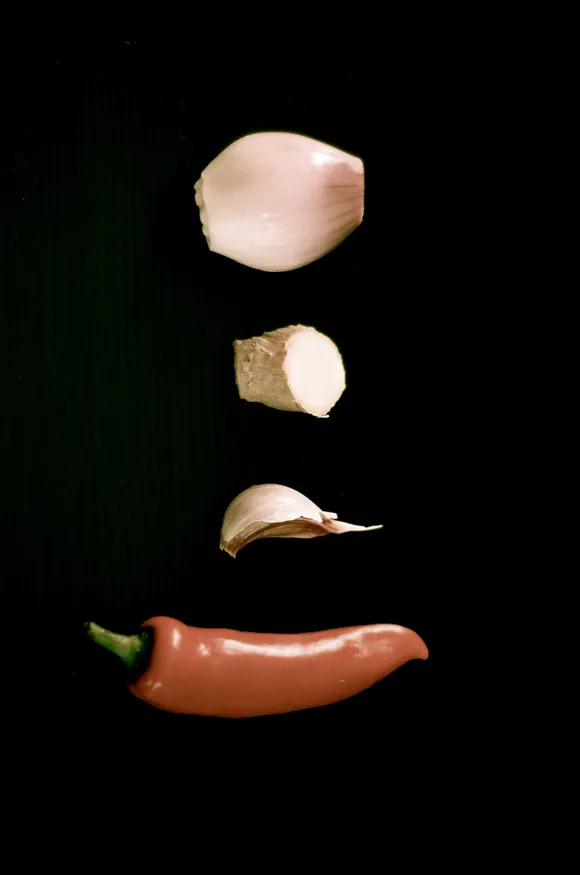
3 cm fresh ginger

0.5 oz shallots

0.5 oz garlic

15 pcs dried red chilli*, soak in hot water overnight or 30 minutes boiled, seed out

¼ tsp palm sugar/coconut sugar**

Salt to taste

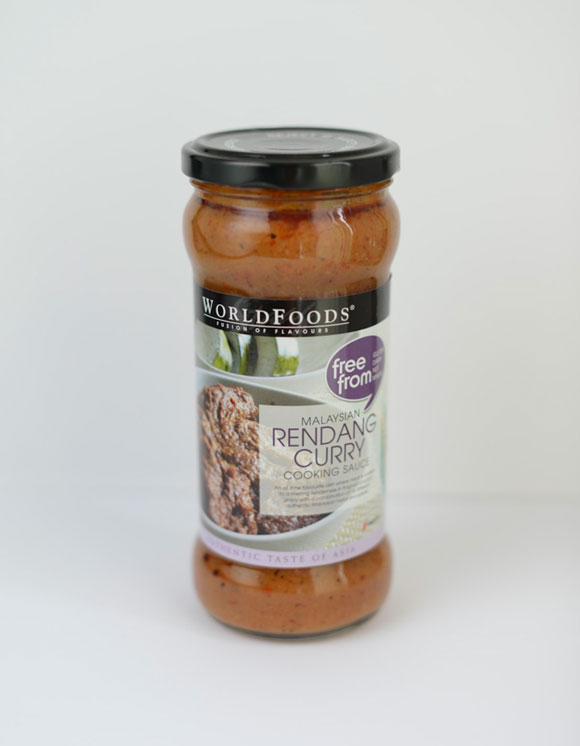
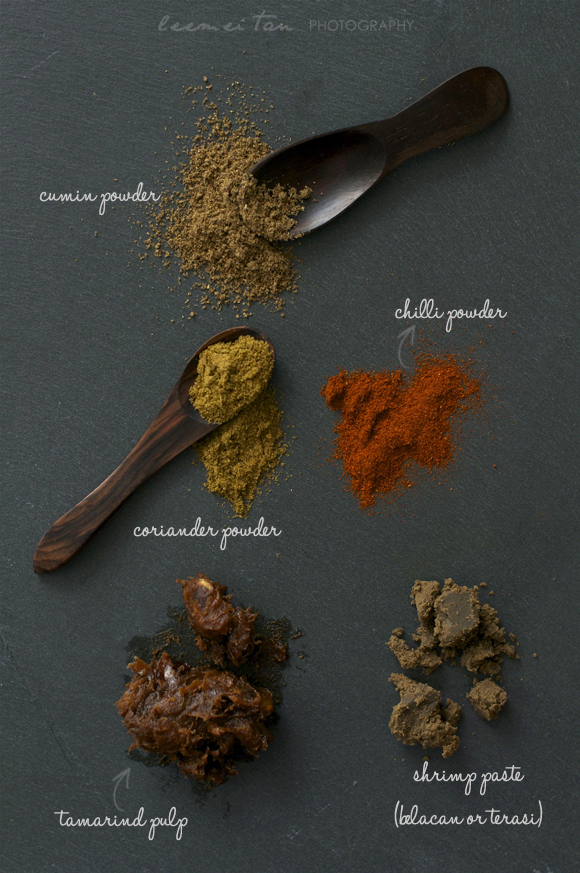
½ tsp terasi (shrimp paste) dissolve in 1 tbsp of tamarind juice


Method:

1.    Clean chicken thighs and marinade with lemon juice for 15 minutes. Rinse well. Set aside.

2.    Heat oil in a skillet or wok pan. Sauté purée spices until fragrant. Add salam leaves, cloves and cinnamon stick. Mix well.

3.    Add chicken meat, mix and cook until done over small heat.

4.    Add water when chicken meat changes its colour. Continue cooking until water evaporated. Stir thoroughly and turn the fire into small heat when the water started to be less.

5.    Continue cooking until all water evaporated and only left oil and spices. Removed from the heat.


*amount can be adjusted (used California or New Mexico dried chilli to get the real red colour as substitution for Banjar dried red chilli)

**to enrich the taste


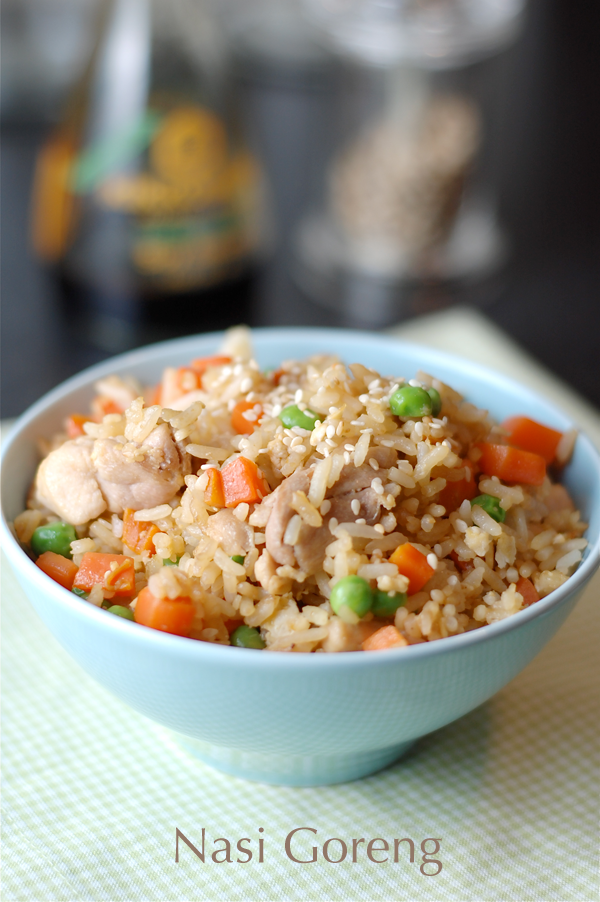
For Nasi Kuning, I cooked it in a shortcut by using rice cooker. But first I soaked the rice in water for 30 minutes to avoid rice for being uncooked.  In this recipe, I made my own measurement since my friend only gave me the ingredients. You can make your own as well.


img_0010


Recipe: Nasi Kuning


Ingredients:

2 cups of long grain rice, soak in water for 30 minutes, drain

1 pack of coconut milk (500 ml)

2 salam leaves

1 stalk of pandan leaf

3 cloves

4 cardamoms (green one)

1 stalk of lemongrass

2 cm cinnamon stick


Spices, purée:

3 shallots

3 cloves of garlic

2 cm fresh ginger

2 cm fresh galangal

2 cm fresh turmeric

¼ tsp cumin powder

Salt to taste

Vegetable oil for sautéing


Method:

1.    Heat oil in a small pan. Sauté purée spices until fragrant. Remove from the heat. Set aside.

2.    Mix rice, coconut milk, sautéed spices and other ingredients in a rice cooker container. Cook until set.

Share and Enjoy
  • del.icio.us
  • Facebook
  • Google Bookmarks
  • MySpace
  • StumbleUpon
  • Technorati
  • LinkedIn
  • Netvibes
  • email
  • PDF
  • Twitter

This website uses IntenseDebate comments, but they are not currently loaded because either your browser doesn't support JavaScript, or they didn't load fast enough.

19 Comments »

  1. avatar nav-left

    look really goood!! at glance I thought it’s rendang chicken and nasi kunyit! now you make me hungry just looking at your yummy dish!!
    nav-left
  2. avatar nav-left

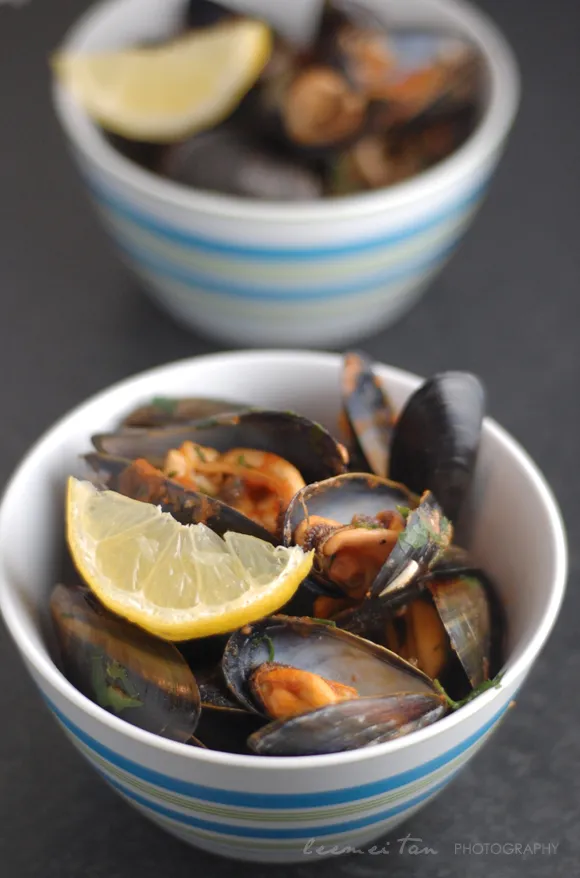
    One time, I made Kerang Masak Habang which was made from mussel. The key to make masak habang is dried chilies to make bright red colour.

    nav-left
  3. avatar nav-left

    This is looking very gooooood to me right now sefa! it’s still breakfast time here but I could really dig into something like this!
    nav-left
  4. avatar nav-left

    red + yellow = my favorite colors. perfect for spring/summer, and this dish is perfect for my taste :)

    nav-left
  5. avatar nav-left

    Love the red of the chicken and the yellow of the rice. Can you tell me more about palm/coconut sugar? My Cooking Hut – thanks for introducing me to Sefa’s blog.

    nav-left
  6. avatar nav-left

    This looks delicious. I’m not sure where I would find an Indonesian bay leaf around here but I’ll certainly try!

    nav-left
  7. avatar nav-left

    Hi Leemei, thanks for featuring Indonesian food.

    Forgot to write more that you can use Ikan Gabus (link: http://en.wikipedia.org/wiki/Channa_striata), beef (first boiled the beef), duck meat, eggs (duck/chicken).

    nav-left
  8. avatar nav-left

    @beachloverkitchen : you are right, because of the Thailand dried chili that I used, it looks like rendang (because of the brown color)

    @pepy: you are Pep. but, not with the thailand dried chili, it will turn brown instead of red.

    @meeta: you are invited to have ayam masak habang for breakfast at my home Meeta :)

    @mochachocolatarita: give it a try Rita, sure you’ll like it ;)

    @gastroanthropologist: palm/coconut sugar in Indonesia is known as Gula Jawa, you can read it more from here: http://en.wikipedia.org/wiki/Coconut_sugar

    @Fearless Kitchen: you can use normal bay leaf – no problem

    nav-left
  9. avatar nav-left

    The chicken looks so good! Such wonderful flavours and sounds awesome with that rice!

    nav-left
  10. avatar nav-left

    What is shrimp paste? Is the colour pink? In asiatic shop here in Norway, I saw a bottle of pink shrimp paste but with lots of water. I wonder if that is the shrimp paste that you mention here.

    nav-left
  11. avatar nav-left

    gonna try it one day! good job Sefa!

    nav-left
  12. avatar nav-left

    This dish looks and sounds absolutely fabulous! Thanks for sharing all the valuable cooking tips. I learned so new things today. ;)

    nav-left
  13. avatar nav-left

    Sefa, definitely I’ll try this recipe. Looks soo good! I think this is my first time visiting this blog, will be back again and I must say you have great blog!

    nav-left
  14. avatar nav-left

    I am sooooooo hungry now.

    nav-left
  15. avatar nav-left

    So nice and delicious!

    nav-left
  16. avatar
    My Cooking Hut Says:
    nav-left

    limpepsi,
    I believe what Sefa refers to is Belacan.

    Lidia,
    Thanks for dropping by!

    lk,
    Same here!! I learn this yummy dish from Sefa too!

    dwiana,
    Thanks for dropping by! :)

    tigerfish,
    haha :)

    Alice,
    Definitely!!

    nav-left
  17. avatar nav-left

    wow .. that really look nice .. and getting hungry actually :)

    so nice and delicious :)

    nav-left
  18. avatar nav-left

    Great photos! So delectable!

    nav-left
  19. avatar nav-left

    @pigpigscorner: thank you!

    @limpepsi: yup, Leemei is right, terasi (shrimp paste) is belacan

    @lidia: thanks a lot Lid!

    @lk: I’m glad that you can learn something from my post.

    @dwiana: you must try this one Dwi, you’ll love it, I’m sure.

    @tigerfish: me tooooooooo :) )

    @alice: thanks!

    @leemei: thanks a lot for more Leemei.
    it was fun writing for you *hugs*
    and thanks for answering limpepsi question

    @siechoo: it is indeed delicious.. why don’t you give it a try?

    @joie: thanks a lot!

    nav-left

RSS feed for comments on this post. TrackBack URL

Leave a comment